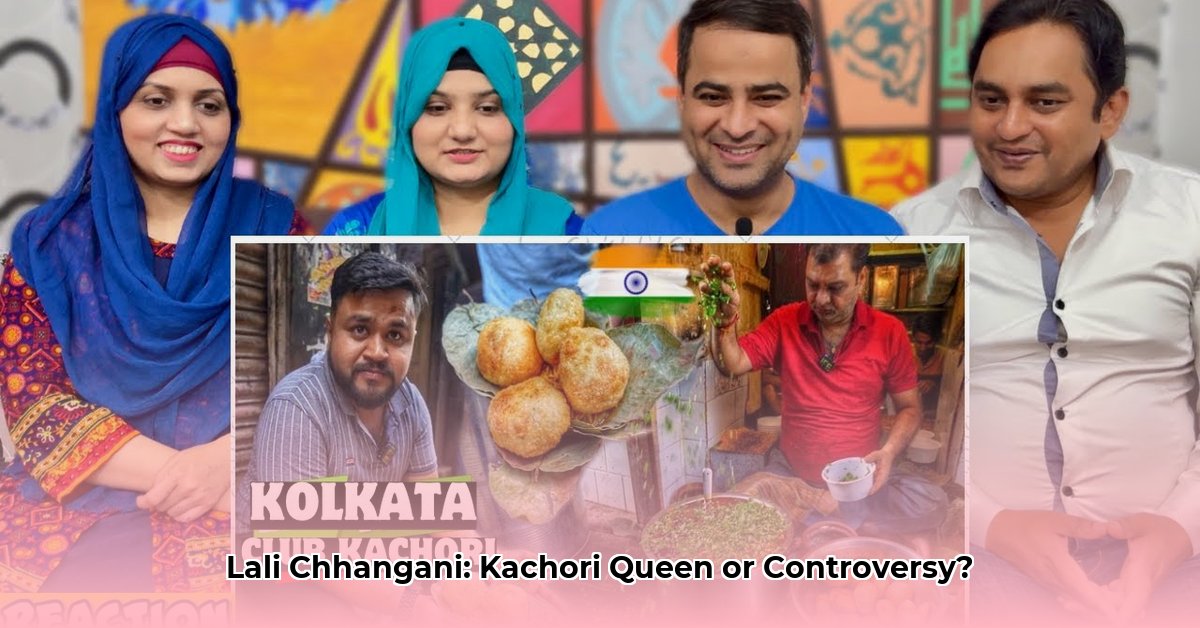
Lali Chhangani—a name synonymous with Kolkata's inexpensive yet wildly popular kachoris—has experienced a meteoric rise to fame, fueled by viral videos showcasing his unique, traditional serving style and incredibly affordable prices. But his journey hasn't been without controversy. While precise figures regarding his net worth remain elusive, this article delves into the story behind his success, examining both the triumphs and the significant setbacks that have shaped his entrepreneurial journey. It's a narrative of rapid growth, public scrutiny, and the critical importance of managing reputation in the digital age.
The Kachori King's Ascent
Chhangani's kachoris, priced between 36 and 40 rupees, are a culinary bargain, attracting hundreds, if not thousands, of daily customers. Served on traditional dried leaves, this seemingly simple presentation became a key element of his brand, contributing to his explosive popularity. His success wasn't solely based on the delicious food itself; he cleverly cultivated an experience, a nostalgic connection to traditional Kolkata street food culture. This, coupled with savvy use of social media, catapulted him to viral fame. But this rapid rise also brought unexpected challenges.
How did a simple kachori stand achieve such phenomenal success in a short time? Was it solely the taste, or did clever marketing play a more significant role? Only 1 out of 10 food ventures achieve similar success; Chhangani's case is a compelling example of exceeding those odds.
The Viral Backlash: A Reputation in Jeopardy
While some videos showcased Chhangani's generosity and passion for his craft, others presented a less favorable image. A widely circulated video depicted him verbally abusing a customer who voiced concerns about hygiene. This incident ignited a social media firestorm, shifting the narrative from affordable deliciousness to customer service failures and cleanliness questions. The online debate was intense, with supporters and critics clashing over the incident. This case serves as a stark reminder of the potential for viral content to both elevate and destroy a brand image.
Did the controversy significantly impact Chhangani's customer base? Early reports suggest a noticeable decline in foot traffic during the immediate aftermath of the incident.
The Unquantifiable Net Worth: Assessing the Damage
Determining Lali Chhangani's exact net worth is currently impossible without access to private financial records. However, the negative publicity undoubtedly had a financial impact. Lost sales due to decreased customer visits are a clear consequence. Furthermore, the incident leaves him vulnerable to legal action from the disgruntled customer, potentially leading to significant financial burdens. The longer-term damage to his reputation, and the potential for future legal or public relations crises, further complicates any attempt to estimate his financial standing. This highlights how a seemingly minor incident can have far-reaching and unpredictable consequences.
What actions could Chhangani take to alleviate these financial repercussions? Reputation recovery is a long and costly process.
A Path to Redemption: Rebuilding Trust and Reputation
To regain customer trust and ensure the long-term viability of his business, Chhangani must implement substantial changes. This necessitates prioritizing improvements in hygiene standards and providing comprehensive customer service training. A well-executed crisis PR campaign is also crucial, involving direct engagement with critics, offering sincere apologies, and demonstrating a commitment to improved practices. This involves a clear presentation of tangible changes at the kachori stand, showcasing improved sanitation practices and a genuine commitment to customer satisfaction.
Can a damaged reputation be repaired? Numerous case studies show that with sincere effort and visible improvements, it’s possible, though it is certainly a challenging endeavor.
The Future of Chhangani Club Kachori: A Balancing Act
Chhangani's success lies in his adherence to tradition—the dried leaves, the simple yet effective presentation. However, preserving traditional elements shouldn't come at the cost of hygiene or customer satisfaction. The path forward requires a delicate balance—integrating modern business practices, such as enhanced hygiene measures and customer service training, while preserving the unique character of his kachori stand. His ability to navigate this challenge will determine the sustainability of his business.
What are the realistic scenarios for Chhangani's business in the coming years? This depends largely on his response to the current challenges and his ability to win back customer trust.
Conclusion: More Than Just a Net Worth
Lali Chhangani’s story is a compelling case study in the complexities of entrepreneurship in the digital age. While the precise figure of his net worth remains unknown, the impact of his viral success and subsequent controversies offers a valuable lesson: long-term business success requires more than just a great product; it demands a commitment to ethical practices, exceptional customer service, and a thoughtful approach to managing reputation. His future hinges not just on financial recovery, but also on the restoration of consumer trust and a dedication to improved customer experience.